There are certain kitchen equipment which make a difference between cooking good food and great food. Here is my curated list in no particular order of importance.
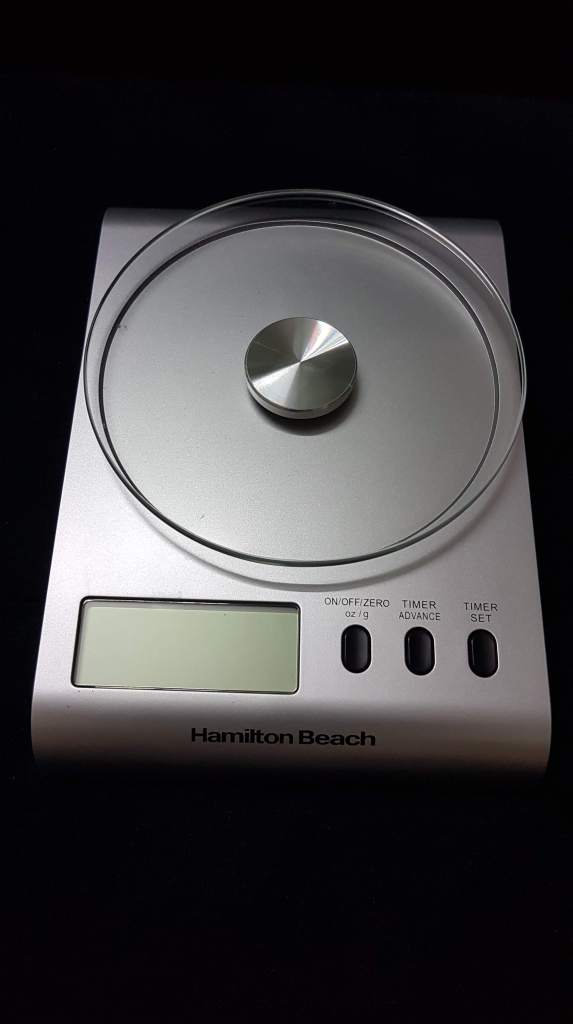
1] Kitchen Scale & Measuring Cups/Spoons : I remember when we bought one first. It was on a trip to Malaysia and we were roaming around in some kind of sale. It was a mechanical one, largely plastic with an analogue reading. Since it was going cheap we carted it to India. Year was 2006. The main use for a long time was to check whether the grocer or the vegetable guy was cheating us with respect to weights. We have now moved on. We now have a digital scale.
Digital is more accurate. It provides measurements especially when it comes to baking. Recommend a range of max 5 kgs. Similarly, measuring cups and spoons are also relevant to getting the proportion right for baking. So a must have item for a home baker.

2] Wooden spoons : My first experience with wooden spoons were ladles made out of coconut shells! Nowadays, we tend to use a lot of non stick ware. That is where a wooden spoon come into play in the modern kitchen. The good quality ones are made from bamboo or beech or maple. They are hard therefore are not susceptible to cracking and last a very long time. A typical six piece set would consist of a spoon, a fork, a flat spatula, a scrapper, a ladle, a pasta spoon or a folding spoon.
Wood is naturally antibacterial. However, it needs care. The best way is to hand wash with mild soap and warm water and sponge dry. Best to throw away wooden spoons which develop a crack. If dry, apply some form of mineral oil. With good care these spoons last a life time
3] Silicone Spatulas : Compared to wood, the silicone ones are flexible. This flexibility and the ability to withstand the heat sets them apart. The other great advantage is that they are easy to clean.

One essential use of Spatulas would be as food turners ie turn around a dosa or an omelette for example. That is where the flexibility comes into play. An angled and tapering spatula is the one to go for. The second common type is the one used for scrapping or flattening dough while baking. These tend to me more flexible and more often come with a smaller handle.
Silicone spatulas are easier to clean and are dishwasher safe. Depending upon the intensity of use, they do not have the same life as the wooden ones. The silicone tends to soften over time and then it is time to get a new one.
4] Cooking Pots & Pans : If you really look at there is an amazing variety of pans and pots out there. The question is how many of them do you want in your kitchen. This would depend upon the type of food that you want to cook. Some pans and pots get married to a type of food (Eg: A Tagine Pot or a Paella Pan, or a Dosa Pan) while some can be general purpose such as a deep pot which can be used to make a risotto or a Sambhar. I would rather communicate the mind boggling variety through a few pictures!
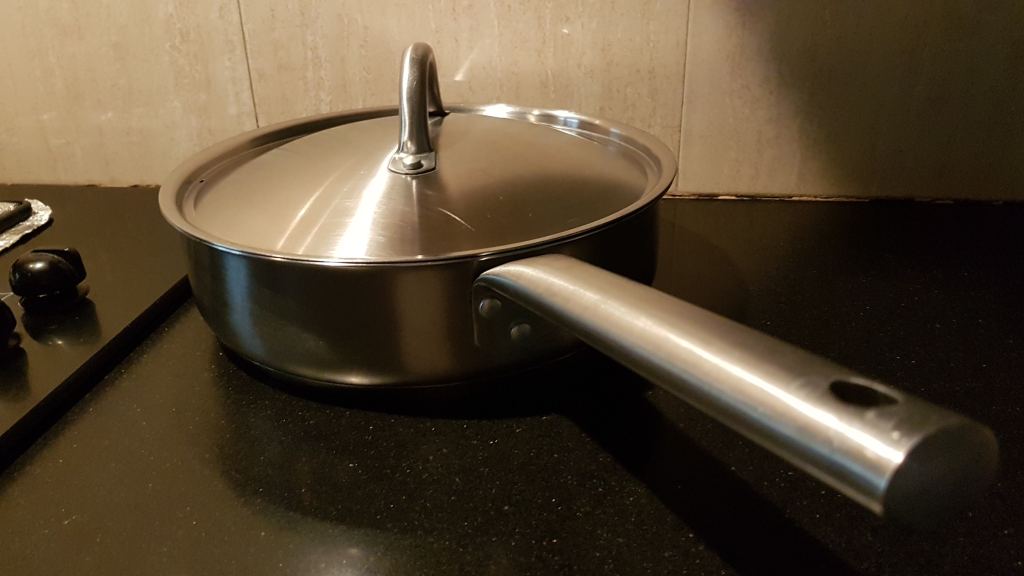

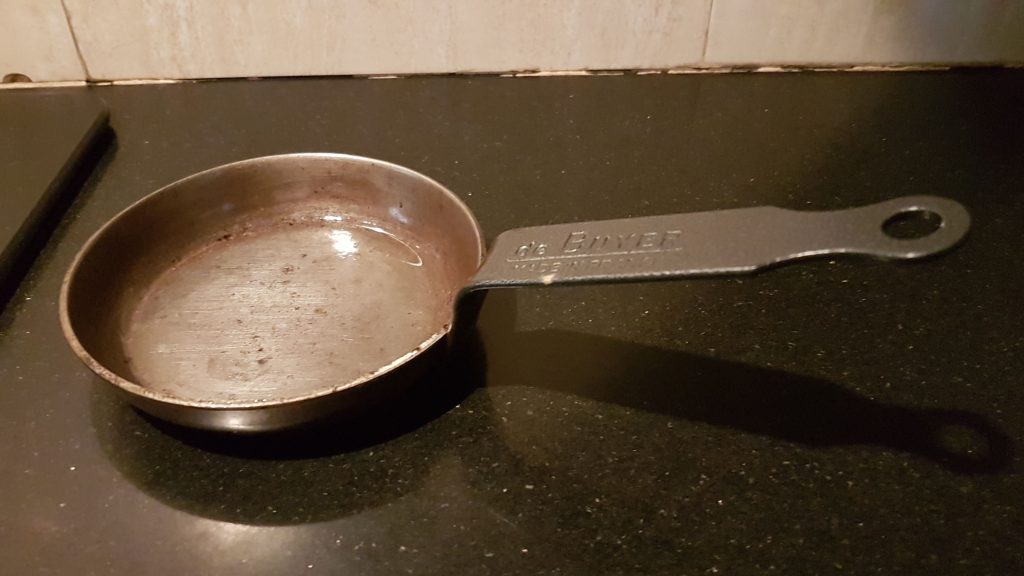
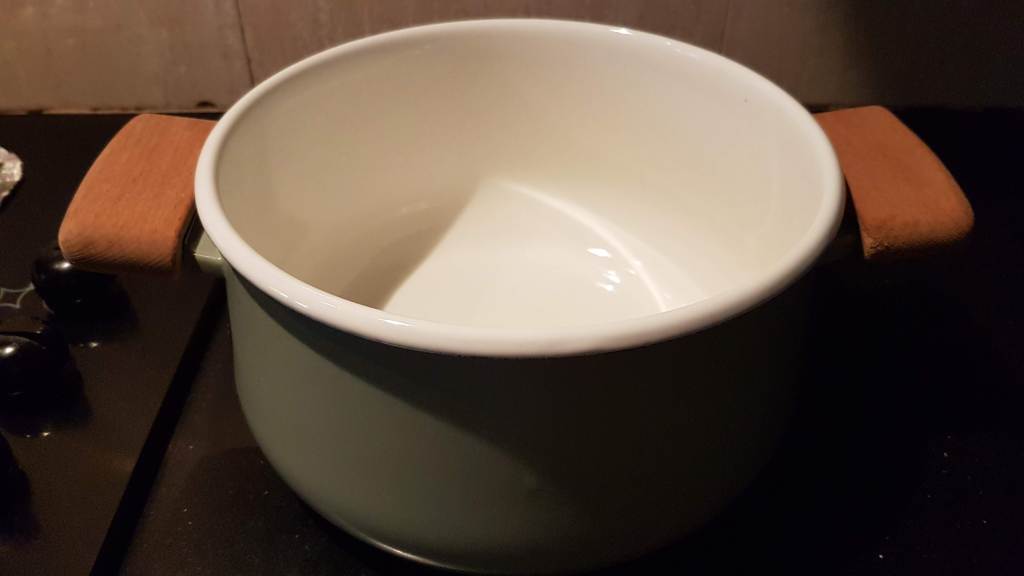
Try and move away from non stick to cast iron or stainless steel. Le Creuset, and Lodge offer some great choices in pots and pans though they tend to be heavy. Here is an Indian site which has a great appeal and a good collection appropriately called potsandpans!
Now, if you are a home baker you will need another set of pans. Selecting then is like going back to Geometry 101. These are shaped as a Rectangle, Circle, Oval and Square either in ceramic, glass or metal. See this interesting article on five essential pans for the home baker.
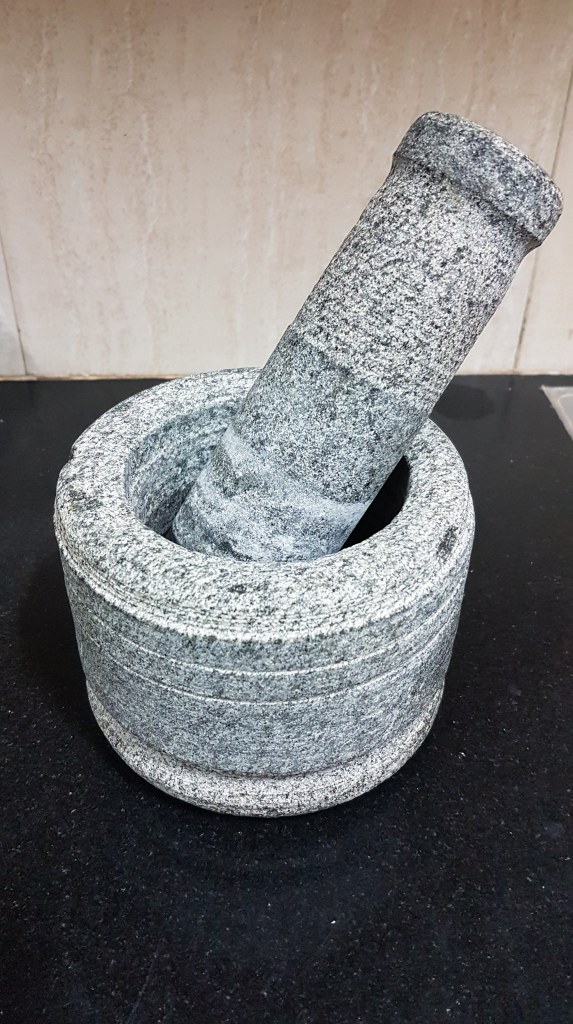
5] Mortar and Pestle : This is the closest equivalent to an ammikkallu in the modern kitchen! These are essential for grinding masala before frying or for making an instant dry powder say for masala chai. We have a large one and a small one. The larger one made of soap stone is the go to for mixing up the masalas before frying and the smaller one is more often used for dry masala powder.
6] Knives : Never compromise on knives should be the motto of a good chef. Efficiency is increased, wastage is reduced and the food looks good as well. There are broadly three types of knives for the vegetarian cook. One is the large chef’s knife approx six to ten inches long and a wide blade. Second is a smaller version called as a paring knife, approx three inches long used for peeling onions, vegetable carvings etc. The third is the serrated knife used as a saw for example in slicing bread or tomato (very useful when the item on the board has one texture inside and another outside!)
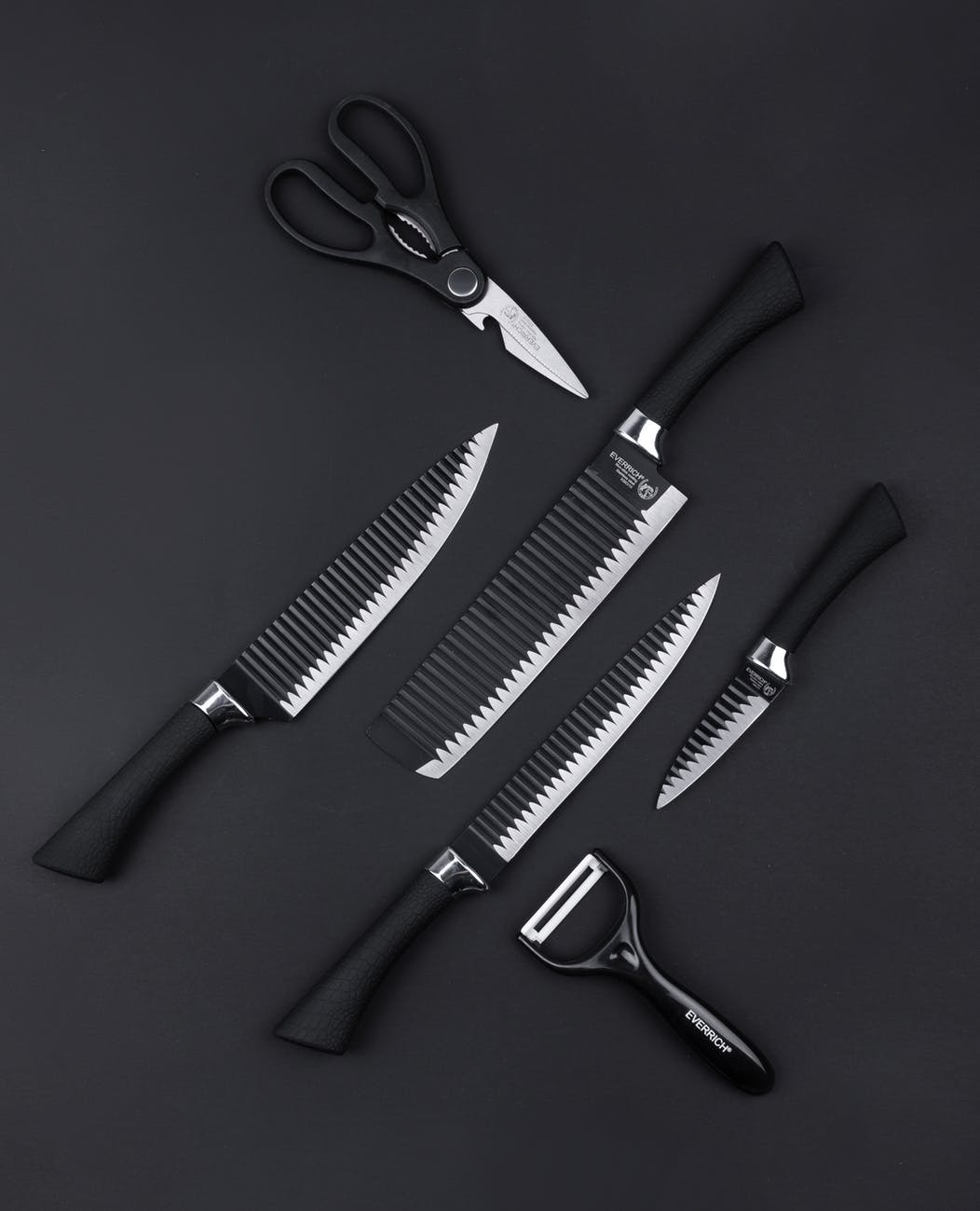
The best knifes are Japanese. Made of high carbon stainless steel these have sharp edges and tend to last a while. If you are interested in knowing more about kitchen knives please click here.
Selecting a knife for me is like selecting a cricket bat. First, should have a good brand sticker. Second it should look good. And third and most important it should feel good when you hold it. You may develop your own criteria!
7] Chopping Board : This has a multipurpose use. Clearly it is used for cutting. The second is for presentation of let us say a smorgasbord or Cheese Board or for serving appetisers. The best ones are again made of wood, which makes them heavy of course. But the advantage is they last long, are easy to clean and presentable of course. Keep separate boards for presentation and for chopping. Here is a simple guide to chopping boards.
Phew! That has been one hell of a journey to stack up the kitchen. Hope you are now ready to throw out the old and get in the new! Best wishes.
 Anubhavarasa